







Search Results for: Pros and Cons Comparison
How to Choose the Filter Material for Pour-Over Coffee? A Complete Comparison of the Pros and Cons of Paper Filters, Metal Filters, and Cloth Filters
In the world of pour-over coffee, the choice of filter material is often underestimated, yet it directly determines the direction of the flavor in the cup. Paper filters, metal filters, and cloth filters each have their adherents, and they differ vastly in how much they intercept oils, fine particles, and flavor compounds. This article begins with the century-old origins of the coffee paper filter, then breaks down one by one the structural principles, operational experience, and pros and cons of the three filtration methods, along with a comparison of mainstream filters such as KONO, HARIO, and CHEMEX, as well as practical advice from Front Street Coffee for everyday brewing. Whether you prefer a clean, bright sense of layering or pursue a thick, full-bodied original flavor, you can find the filtration solution that suits you in this article. [more…]
Analyzing the Flavor Differences Between Decaf and Regular Coffee: A Comprehensive Comparison of Pros and Cons with Front Street Coffee Recommendations
What exactly are the flavor differences between decaf coffee and regular coffee? Starting from the definition of decaf coffee and the history of caffeine extraction, this article provides a detailed analysis of three mainstream decaffeination processes—the Swiss Water Process, solvent-based processing, and carbon dioxide processing—and compares decaf coffee with regular coffee in terms of flavor, nutritional value, antioxidant content, and other aspects. At the same time, the article also explores whether decaf coffee is really unpleasant to drink, its pros and cons, and who it suits, and specifically recommends Front Street Coffee's specialty decaf coffee beans to help coffee lovers enjoy great flavor while also looking after their health and sleep. [more…]
Arabica vs. Robusta: A Comprehensive Comparison of Flavor Differences, Pros and Cons, and Key Roles in Espresso Blends
When we pick up a cup of coffee, have we ever wondered where the flavors in the cup actually come from? Among global coffee production, the two major species, Arabica and Robusta, account for the vast majority of the share, and they differ significantly in appearance, flavor, growing conditions, and uses. Arabica is known for its delicate aroma and rich layers, while Robusta holds a place in blending and instant coffee with its full-bodied taste and high caffeine content. This article will provide an in-depth analysis of the essential differences between the two, explore the pros and cons of Robusta and the truth behind the so-called "harm," and reveal its key role in the northern and southern Italian blending schools. At the same time, two classic blend products from Front Street Coffee will also serve as cases to show how Robusta and Arabica complement each other to create a rich, full-bodied Espresso. [more…]
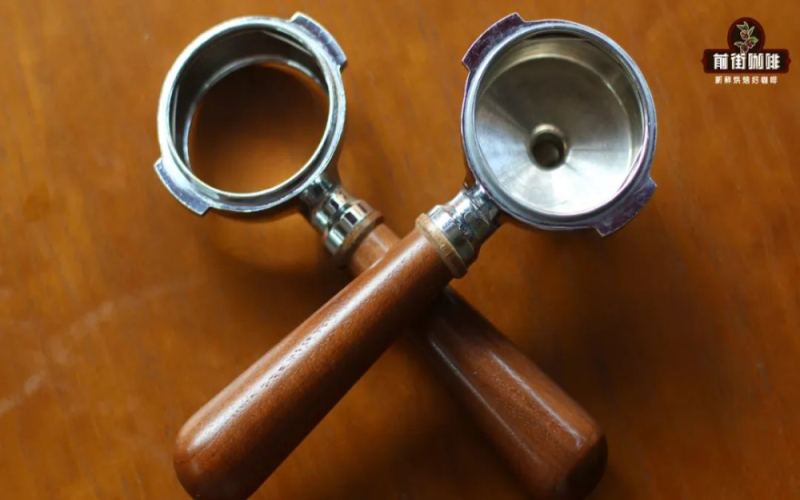
Comparison of Bottomless and Spouted Portafilters for Espresso: Pros, Cons, and a Front Street Coffee Extraction Demo
The portafilter is an indispensable accessory for semi-automatic espresso machines. Among the common types available on the market, the bottomed spouted portafilter and the bottomless straight-exit portafilter each have their own characteristics. Front Street's stores have long used bottomless portafilters. This article will start from the structural differences and a comparison of advantages and disadvantages, and provide an in-depth analysis of how the two types of portafilters differ in extraction observation and operational convenience. It will also include a practical demonstration of bottomless portafilter extraction using Front Street's classic blend coffee beans, helping coffee enthusiasts understand the espresso extraction process and quality assessment more intuitively. [more…]
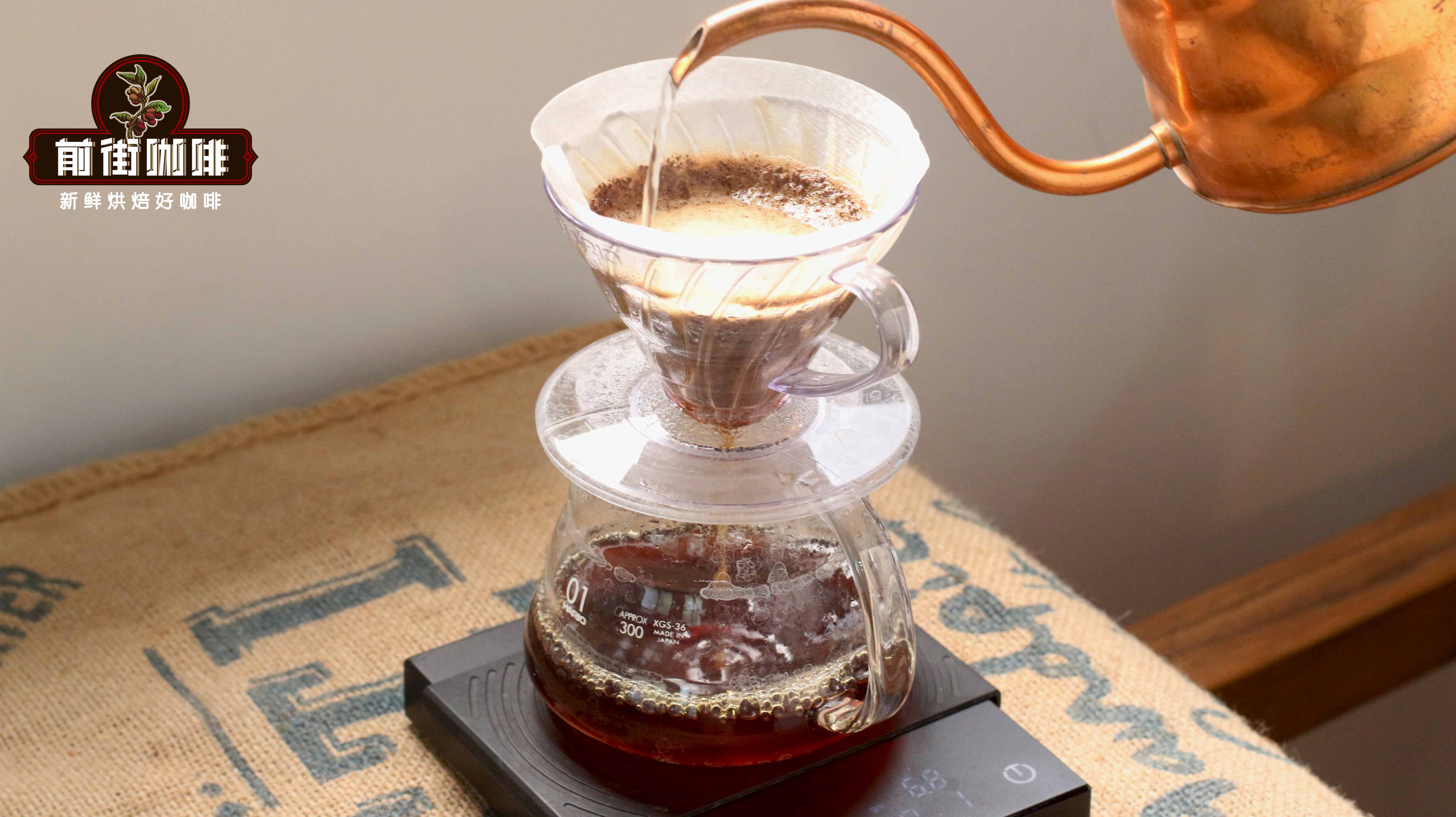
Which dripper should a pour-over beginner choose? A comprehensive comparison of the pros and cons of flat-bottom cake drippers and V60 conical drippers
For friends who are just getting into pour-over coffee and aren't yet skilled at pouring techniques, choosing the right dripper is often more crucial than honing your skills. Front Street Coffee believes that compared to the V60 conical dripper, which is touted as a "jack of all trades," the cake dripper (also called a flat-bottom dripper) demands less pouring expertise and makes it easier to brew a sweet cup. This article starts with the origin of the cake dripper's name and the extraction principles of its flat-bottom structure, analyzes why it is beginner-friendly and why its sweetness stands out, compares the pros and cons of conical drippers, helps enthusiasts understand the characteristics of different drippers, and includes Front Street Coffee's bean recommendations suited to flat-bottom drippers. [more…]
How to Choose a Pour-Over Coffee Filtration Method: A Full Analysis of the Taste Differences, Pros, and Cons of Paper Filters, Stainless Steel Filters, and Cloth Filters
People who buy their own beans, grind them, and brew pour-over coffee often face a choice when it comes to filtration: should they use disposable paper filters, reusable stainless steel mesh filters, or flannel cloth filters? Each of the three methods has its own adherents, and each directly affects the clarity, body, and aroma expression of the coffee in the cup. This article starts from material characteristics, ease of use, taste differences, and maintenance points, comparing the pros and cons of paper filters, metal mesh filters, and cloth filters one by one, and offers selection suggestions for different taste preferences. If you often drink Front Street Coffee's medium-to-dark roasted beans, or prefer light-roasted beans with floral and fruity notes, understanding these filtration details can help you adjust your brewing direction more accurately and find the cup of coffee that suits you better. [more…]

A Comprehensive Comparison of the One-Pour and Three-Pour Hand-Brew Methods: Core Differences, Pros and Cons, and Key Steps for the One-Pour Technique
The pouring method in pour-over coffee directly affects the flavor in the cup, and the one-pour and three-stage methods are the two most common approaches. The one-pour method divides the target water volume into two pours, finishing the remaining water all at once after blooming; its name comes from the "one cut, two pieces" concept in Japanese swordsmanship, and though it appears simple, it is the hardest to control. The three-stage method divides the water into multiple pours, giving the brewer more time and opportunities to adjust extraction, with a noticeably higher margin for error. Front Street Coffee has found in daily practice that beginners using the one-pour method often encounter problems such as weak flavor, sharp acidity, and a flat, one-dimensional profile, the root cause being that nearly ninety percent of the water is poured in a single go, leaving no room for correction. This article will systematically sort out the differences between the two methods, analyze the effects of flow rate and pour height on extraction, and explain what techniques and parameter conditions are required to brew good coffee with the one-pour method. [more…]
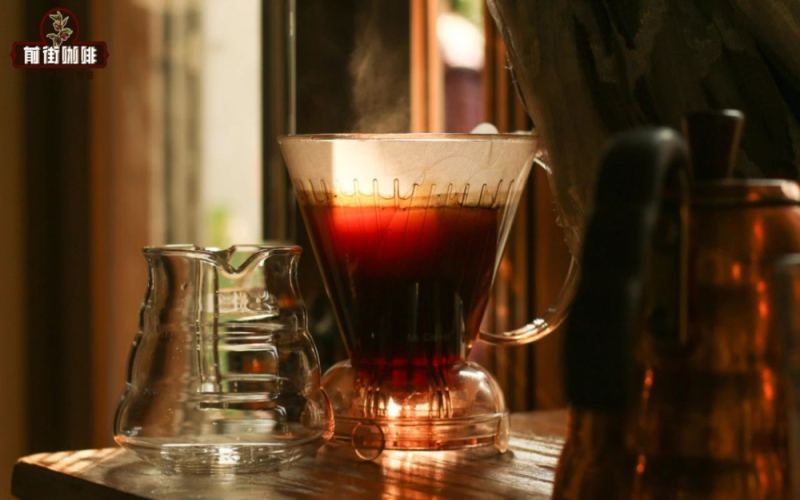
Clever Dripper Guide: How It Works, Pros and Cons, and a Side-by-Side Comparison of Three Brewing Methods with Front Street Coffee's Huakui
As a member of the pour-over dripper family, the Clever Dripper is widely recognized in the international coffee community for its unique piston valve design and consistent extraction performance, and it is also the designated brewing device in many specialty coffee shops. It has a low barrier to entry, is easy to clean, and is especially friendly to beginners just getting into pour-over. This article will walk you through the Clever Dripper's origin and background, its structural principles, and its pros and cons, and by pairing it with Front Street Coffee's Huakui coffee beans, compare the flavor presentation differences among three brewing methods—the V60 dripper, the Clever Dripper, and the French press—to help you find the cup that suits you best. [more…]
Analysis of the Differences Between Bottomed and Bottomless Portafilters for Espresso Machines | A Full Comparison of Features and Pros and Cons
In the operation of a semi-automatic espresso machine, the portafilter is an indispensable core accessory, and the common types on the market are mainly divided into two major categories: bottomed split portafilters and bottomless straight-through portafilters. Front Street stores use bottomless portafilters for their daily output. What advantages and disadvantages do these two types of portafilters each have during actual extraction? This article will start with structural differences, compare in detail the different performance of bottomed and bottomless portafilters in terms of operating experience, extraction observation, cleaning and maintenance, and include a complete extraction demonstration process and parameters for Front Street’s classic blend coffee beans, to help coffee lovers gain a deeper understanding of how portafilter choice affects espresso quality. [more…]
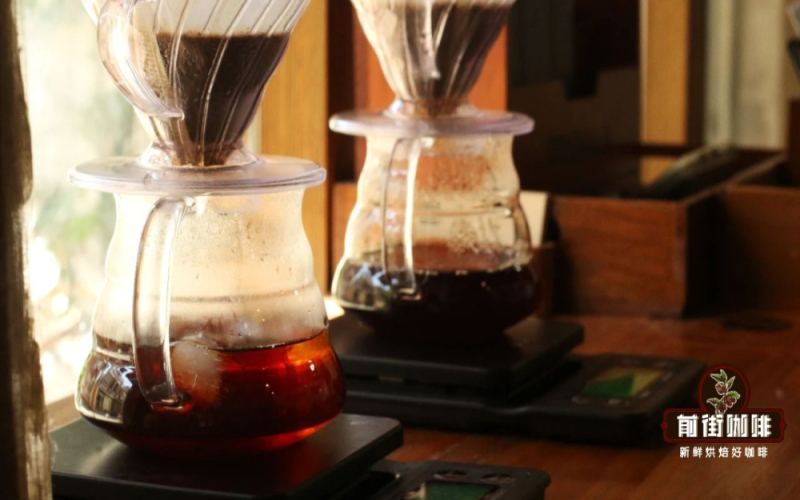
Pour-Over Kettle Buying Guide: Pouring Differences Between Kettle Types and an Analysis of the Pros and Cons of Regular Kettles
Faced with the dazzling array of coffee equipment on e-commerce platforms, many enthusiasts feel at a loss where to begin. Take the pour-over coffee kettle as an example: although the basic construction includes a spout, body, handle, and lid, subtle differences in shape directly affect water flow control and extraction performance. This article starts from the structural design of the kettle, analyzes the pouring characteristics of different pour-over kettles, compares the pros and cons of pour-over kettles versus ordinary water kettles, and, with practical recommendations from Front Street Coffee, helps you make a clearer judgment when shopping. [more…]
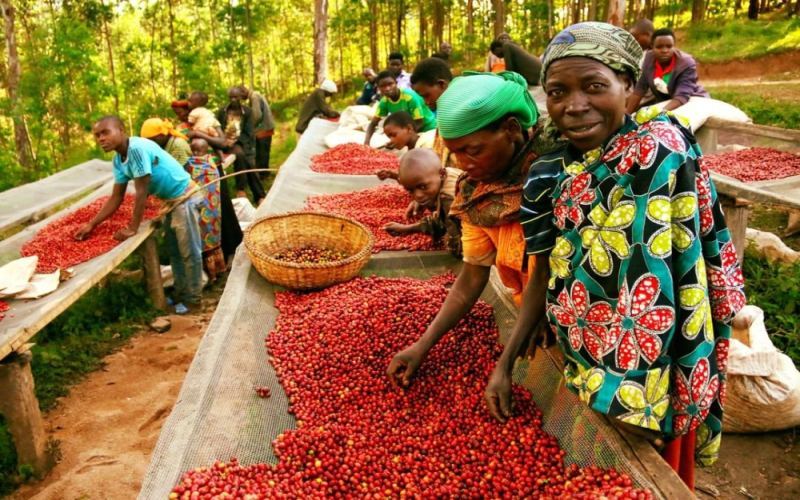
Analyzing the Processing Flow of Yirgacheffe Natural Sun-Dried Coffee Beans: A Comparison of the Pros and Cons of the Natural Method and Its Flavor Performance
The natural process lets coffee cherries dry in the sun with the fruit still intact, and weather conditions directly determine the final quality. Front Street Coffee believes that natural beans can amplify the flavors inherent to the variety, offering high body, intense aroma, and a fermented sweetness. This article provides a complete breakdown of the natural method, from collection, sorting, drying, and depulping to grading and storage, analyzing its advantages of water savings and distinctive flavor as well as its shortcomings of being at the mercy of the weather and difficult quality control. It then focuses on the two major producing regions of Ethiopia Yirgacheffe and Guji Hambela, comparing the actual brewing performance of Front Street Natural Red Cherry and Natural Huakui, and includes parameter suggestions for V60 medium-light roast beans for coffee enthusiasts' reference. [more…]
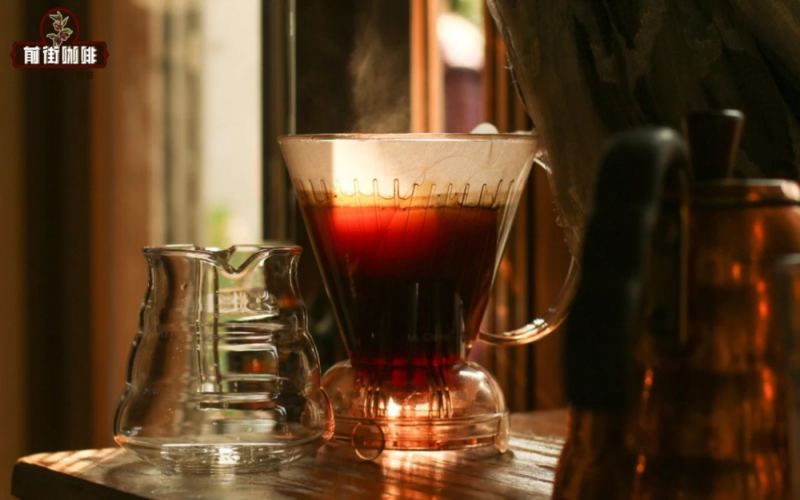
Coffee Brewing Equipment | How to Brew Coffee with a Clever Dripper? What's the Difference Between a French Press and a Clever Dripper? What Are the Pros and Cons of the Clever Dripper?
Introduction Sometimes, you want to enjoy a cup of black coffee, but you don't want to use the "cumbersome" pour-over method (too many utensils). In that case, simple immersion-type coffee devices show a clear advantage, among which the Clever Cup and the French Press are the most classic. So how should you choose between these two coffee devices? Clever Cup The Clever Cup is [more…]
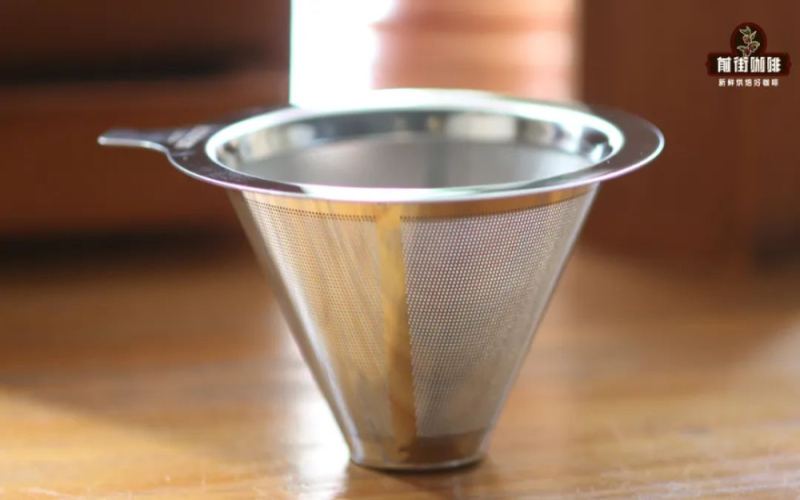
Can Pour-Over Coffee Skip the Paper Filter? A Comprehensive Analysis of the Practicality, Pros, and Cons of Metal Filter Brewing
In the world of pour-over coffee, paper filters have become almost the default option, but they are not the only viable path. Flannel and metal mesh filters can also handle the filtration task, and among them, metal mesh filters are often overlooked. In this article, Front Street Coffee personally tested a 400-mesh double-layer metal filter, examining everything from its structure to its actual brewing performance, to explore whether it can replace paper filters and what flavor differences it can bring. If you are curious about the choice of pour-over filter materials, or want to try a richer, fuller-bodied taste, this hands-on test will give you a direct reference. [more…]
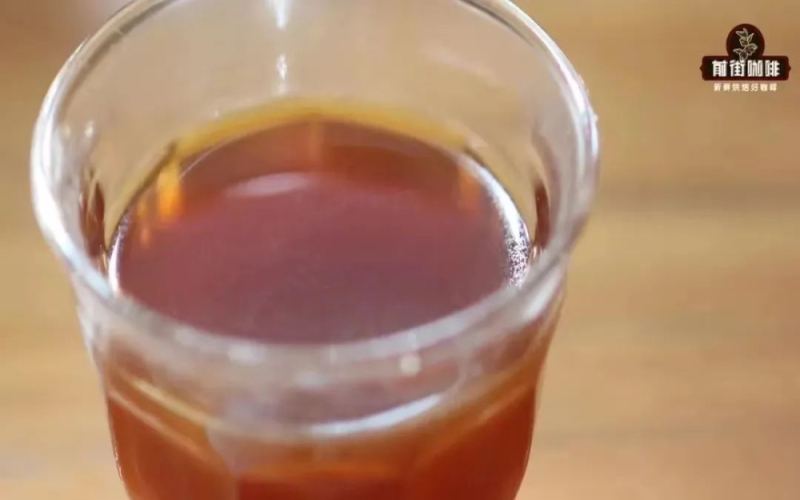
An Analysis of the Pros and Cons of Flannel Pour-Over Coffee: From Its Historical Origins to Why It Was Replaced by Paper Filters
Flannel cloth brewing once swept East Asia, yet today it has been almost completely replaced by paper filters. What unique advantages does it actually offer, and what unavoidable limitations does it have? This article begins with a cup of Mandheling served to a customer at Front Street Coffee, traces the historical origins of flannel coffee brewing back to the European coffee-boiling era of the 18th century, analyzes why it was carried forward and flourished in Japan, and examines the differences between flannel and paper filters in extraction effect, mouthfeel performance, and cost of use. It also explores why flannel brewing tends to extinguish the lively acidity when brewing light-roasted coffee, ultimately causing this ancient method to gradually fade from the mainstream. [more…]
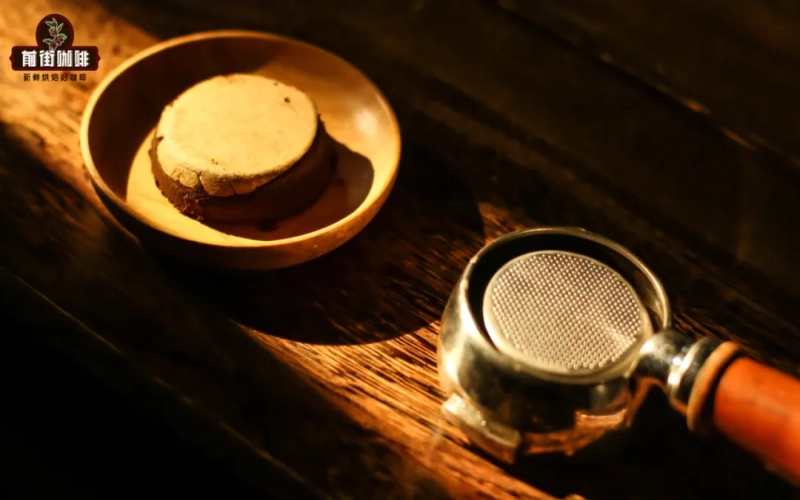
The Actual Effects of Adding a Circular Filter Paper to Espresso and an Analysis of Its Pros and Cons
When making espresso, placing a circular filter paper in the portafilter basket may seem like a simple action, yet different placement positions can lead to completely different extraction results. Through multiple comparisons, Front Street Coffee found that laying the filter paper at the bottom of the portafilter basket can intercept fine particles, reduce bitterness, and improve cleanliness, but at the same time it weakens body and shortens extraction time; while placing it on top of the coffee puck can disperse the impact of the water flow, reduce channeling, and make the extraction more even, though the effect is relatively limited. This article breaks down in detail the principles, advantages and disadvantages, and practical considerations of these two methods, helping coffee enthusiasts make more suitable choices when dialing in the grind and serving drinks. [more…]
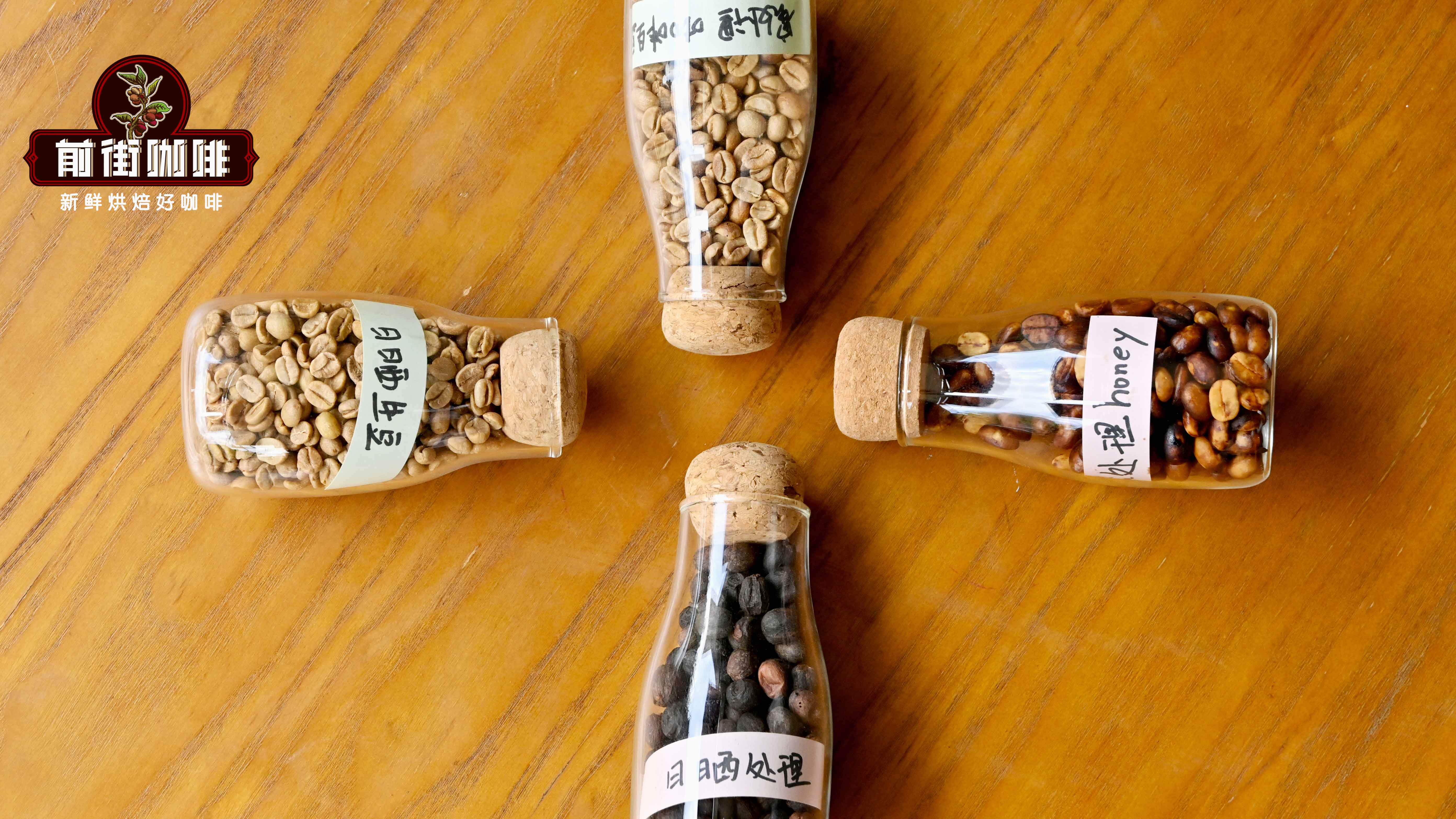
A Complete Analysis of the Flavor Differences Between Natural and Washed Coffee Beans: From Green Bean Appearance to Cupping Taste and Brewing Comparison
Among coffee bean processing methods, natural and washed are the most common, and the two differ significantly in green bean appearance, roasting performance, silver skin shedding, and final cupping flavor. Through long-term cupping, Front Street Coffee has found that washed beans highlight the bean's intrinsic flavor, with bright and clean acidity; natural beans, because the fruit pulp participates in drying, have richer aroma, enhanced sweetness and body, and more complex flavor. This article compares two Panama Butterfly beans, one natural and one washed, one by one from processing flow, advantages and disadvantages, roasting details to actual brewing parameters, helping coffee enthusiasts understand the flavor changes brought by different processing methods and make choices based on personal preference. [more…]
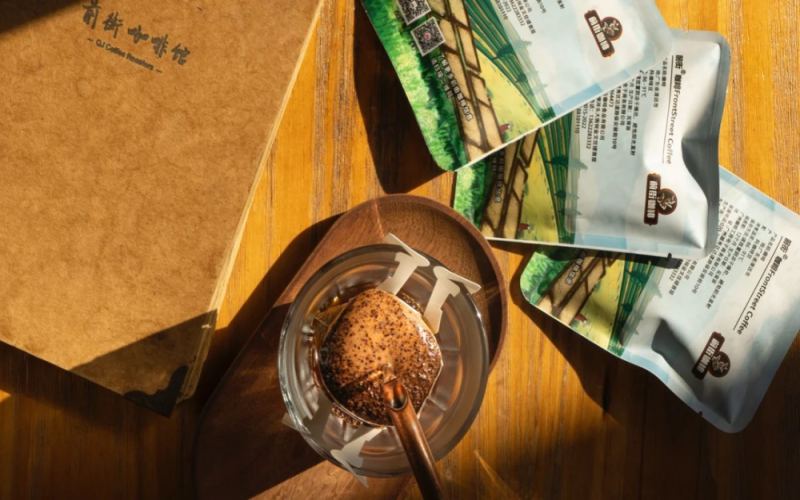
Types of Black Coffee | How Can Coffee Beginners Choose Drip Coffee Bags? What Are the Pros and Cons of Sidamo Huakui Drip Coffee? Is Drip Coffee the Same as Pour-Over Coffee?
For more specialty coffee knowledge, please follow: Front Street Coffee (Frontsteet Coffee) Is drinking drip bag coffee beans long-term harmful to your health? How should coffee beginners choose black coffee beans and drip bag coffee packs? You've probably been asked similar questions by friends who have "just gotten into coffee." [more…]
Pour-Over vs. American Drip Machine: Which Makes Better Coffee? A Full Analysis of the Pros and Cons of Brewing Freshly Ground Black Coffee
Pour-over coffee and American drip coffee machines are quite similar in their brewing methods, both relying on steady drip filtration in a pressure-free environment. However, the differences between manual and machine brewing lead to distinctly different flavor profiles and suitable scenarios. Drawing on the production experience of Front Street Coffee, this article examines the key steps that influence pour-over flavor one by one—from cup warming and grinding to equipment combinations, blooming, and brewing—while also comparing the advantages and disadvantages of American drip machines, helping coffee enthusiasts understand why pour-over is more favored, as well as the details and timing control to pay attention to when practicing at home. [more…]
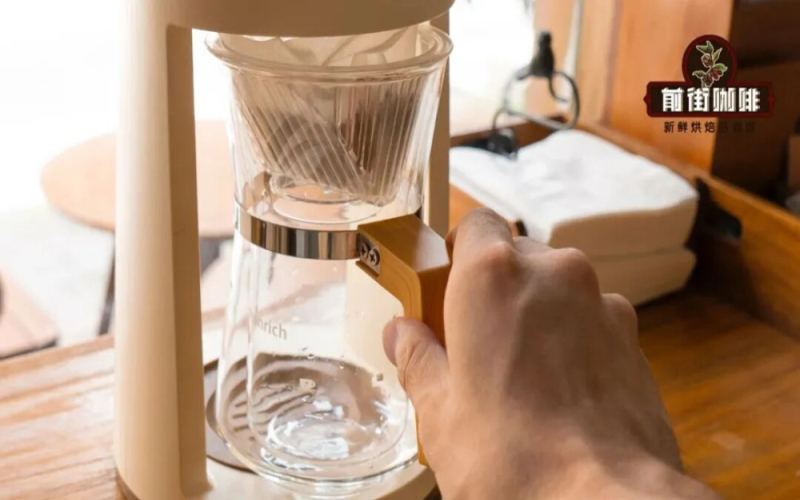
Is a drip coffee maker really worth buying? A comprehensive analysis of the pros and cons of drip coffee makers and bean selection advice.
Reviews of American-style drip coffee makers among home users have always been polarized: some find them convenient, quick, and perfectly adequate for daily use, while others consider the coffee they produce weak and watery—a complete waste of money. So is it really a "tax on the gullible"? From Front Street's perspective, this article sorts out the origins, working principles, price ranges, and use cases of drip American coffee makers, compares them with pour-over and other brewing devices, and offers specific Front Street Coffee bean recommendations for different flavor preferences, helping you decide whether this machine deserves a place in your kitchen. [more…]
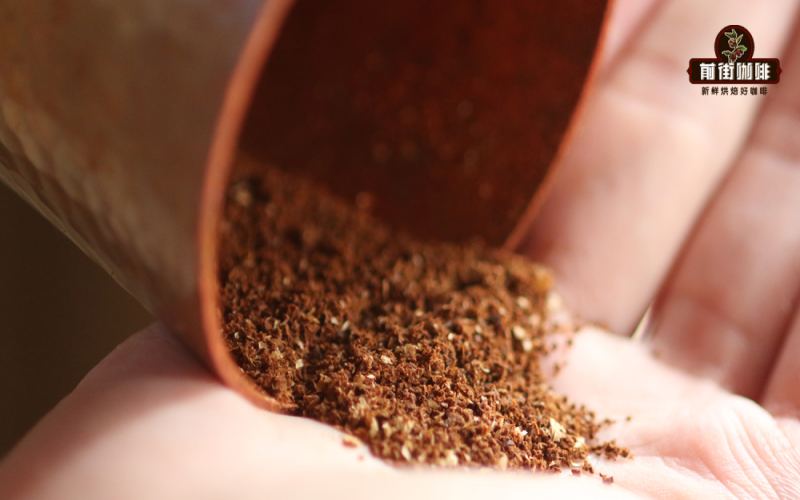
Types of Coffee Grinders | What Are the Pros and Cons of Manual vs. Electric Coffee Grinders? How Do Coffee Beginners Choose a Coffee Bean Grinder? Coffee Grinder Brand Recommendations
From the moment coffee grounds finish being ground and come into contact with the air, they quietly begin to oxidize, and the flavor and aroma change along with it. Therefore, the ideal situation is to grind the coffee beans right before brewing, to ensure you can taste the best flavor. The grinder can be said to be a seemingly low-key yet extremely important part of the coffee brewing process. [more…]